
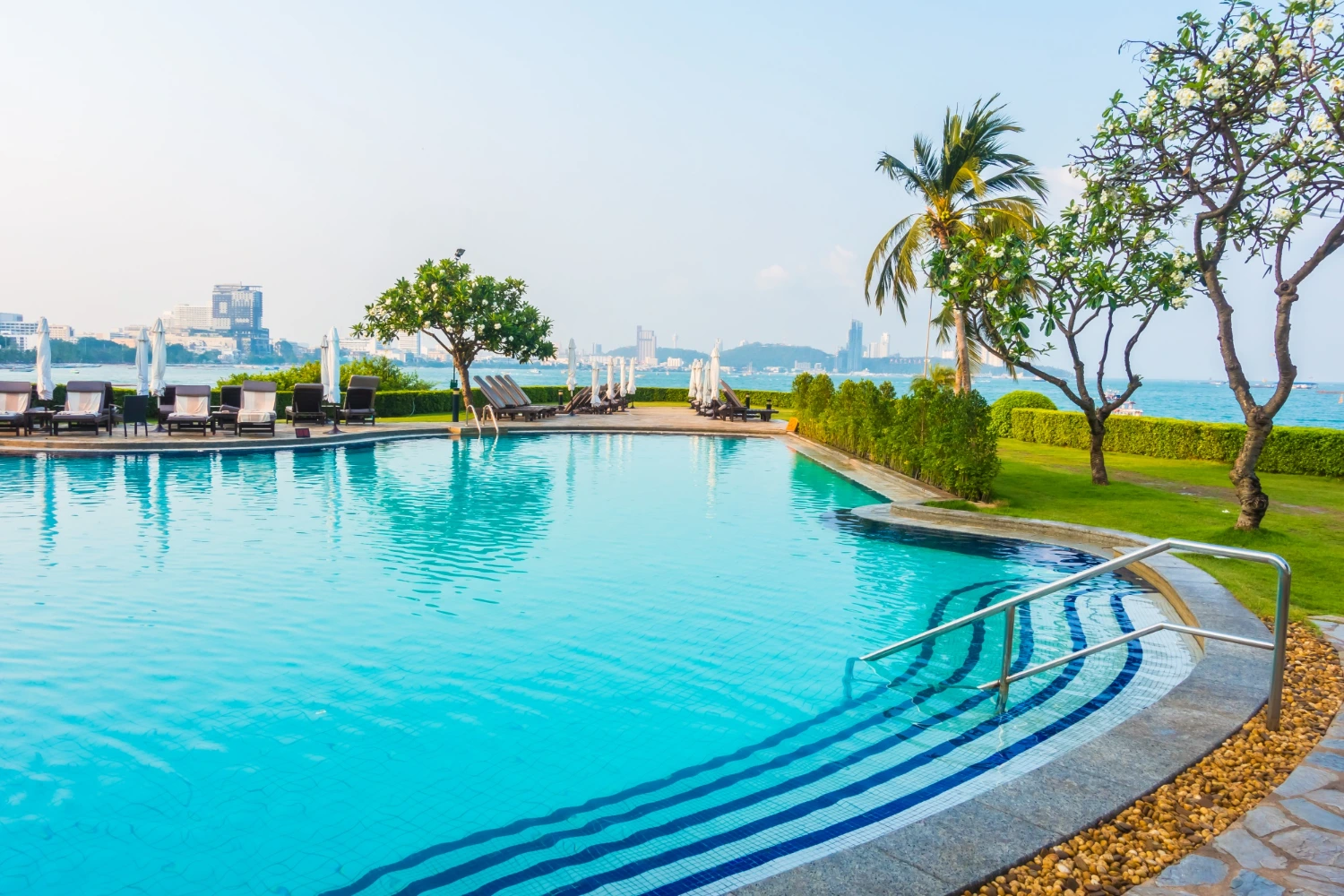
Transforming your backyard into a private resort is a dream for many homeowners. However, the journey to that first refreshing dip involves a complex process known as inground pool installation. This isn’t just a home improvement project; it’s a significant investment that requires meticulous planning, engineering, and design. To ensure the best results, many homeowners explore trusted Swimming Pool Builders Near Me who can deliver quality craftsmanship and reliable service.
Understanding the nuances of inground pool installation ensures your project stays on budget and meets your aesthetic expectations. In this comprehensive guide, we walk you through every phase of the process—from initial soil testing to the final landscaping touches—helping you navigate the complexities of a professional inground pool installation.
1. Initial Planning and Design
Before a single shovel hits the dirt, the most critical phase of inground pool installation begins: the planning. You need to decide on the material (concrete, vinyl, or fiberglass) and the primary purpose of the pool. Are you looking for a lap pool for exercise, or a lagoon-style oasis for entertaining?
- Zoning and Permits: Every municipality has different rules regarding setbacks, fencing, and drainage.
- Utility Lines: Identifying underground gas, water, and electric lines is a mandatory safety step.
- Site Layout: Use stakes and string to visualize how the inground pool installation will occupy your yard space.
2. Choosing Your Material
The material you choose will dictate the longevity and maintenance requirements of your pool.
- Concrete (Gunite): Offers the most flexibility in shape but takes the longest for inground pool installation.
- Fiberglass: Pre-manufactured shells that allow for a rapid inground pool installation timeline.
- Vinyl Liner: Cost-effective and smooth to the touch, though the liner will need replacement every 5–10 years.
3. The Excavation Phase
This is when the “messy” part of inground pool installation starts. Heavy machinery will enter your property to dig the hole according to the design specifications. A professional crew will ensure the earth is stabilized to prevent future shifting, which is a vital part of a successful inground pool installation.
4. Plumbing and Electrical Infrastructure
Once the hole is dug, the “veins and arteries” of your pool are installed. This includes:
- Main Drains: Located at the deepest point to ensure proper water circulation.
- Skimmers: To pull debris from the surface.
- Return Lines: To push filtered water back into the pool.
- Lighting: Modern inground pool installation often includes LED colour-changing lights for ambiance.
5. Structural Framing and Reinforcement
For concrete pools, this involves a grid of rebar (steel rods) that forms the essential “skeleton” of the structure. This reinforced framework is the key to ensuring that an inground pool installation lasts for decades. During this phase, the crew will also install the “coping”—the decorative edge that enhances both the durability and visual appeal of the pool. For deeper insights into industry-standard construction methods, you can also refer to this helpful guide from Pool Safety Resources.
6. Pouring the Shell and Tiling
Whether it’s shooting gunite or dropping in a fiberglass shell, this is the moment your inground pool installation starts looking like a real pool. If you’ve chosen concrete, a waterproof plaster or pebble finish is applied over the shell. Tiling along the waterline adds a decorative touch and prevents staining.
7. The Finishing Touches: Decking and Landscaping
An inground pool installation isn’t complete without the surrounding deck. Whether you choose pavers, stamped concrete, or natural stone, the deck ties the pool into the rest of your home’s architecture. Once the safety fence is installed, you are finally ready to fill the pool with water.
8. Advanced Water Features and Aesthetics
Modern inground pool installation has evolved beyond simple rectangular holes in the ground. Homeowners are now looking for sensory experiences that include sound and movement.
- Vanishing Edges (Infinity Pools): Perfect for properties with a view, this specialized inground pool installation creates the illusion that the water extends to the horizon.
- Rock Waterfalls and Grottos: Using natural or synthetic boulders during the inground pool installation adds a rustic, tropical feel and provides a natural sound barrier against neighbourhood noise.
- Tanning Ledges (Baja Shelves): A shallow area (usually 6–12 inches deep) designed for lounge chairs. This is a “must-have” feature in contemporary inground pool installation for those who want to stay cool without fully submerging.
9. Understanding Soil Conditions and Hydrostatic Pressure
A critical technical aspect often overlooked during inground pool installation is the geology of your backyard. Not all dirt is created equal.
If your area has a high water table, your inground pool installation must include a hydrostatic relief valve. Without this, the pressure of the groundwater can actually lift a pool shell right out of the ground—a phenomenon known as “pool popping.” During the excavation phase of your inground pool installation, engineers will test for expansive clay or loose sandy soil, which may require additional steel reinforcement or specialized drainage layers to ensure the structure remains stable for decades.
10. Heating and Energy Efficiency Systems
The cost of running a pool is a major consideration. Integrating energy-efficient technology during the inground pool installation phase will save you thousands of dollars over the life of the pool.
- Variable Speed Pumps: Unlike traditional pumps, these can be programmed to run at lower speeds, consuming up to 90% less energy.
- Solar Heating Arrays: Utilizing roof-mounted panels to circulate pool water can provide a nearly free heat source following your inground pool installation.
- Heat Pumps: These extract heat from the air and transfer it to the water, offering a more consistent temperature than solar panels alone.
- Automation Systems: Modern inground pool installation allows you to control temperature, lighting, and cleaning cycles directly from your smartphone.
11. Lighting Design: Safety and Ambience
Proper lighting is a pillar of a successful inground pool installation. It serves a dual purpose: ensuring the safety of swimmers at night and creating a visual masterpiece after the sun goes down.
In the past, inground pool installation relied on large, incandescent “niche” lights. Today, low-voltage LED systems are the standard. These lights are smaller, brighter, and can change colors to suit the mood of a party or a quiet evening. When planning your inground pool installation, consider “uplighting” nearby trees and “downlighting” pathways to create a cohesive landscape design that highlights the pool as the centrepiece.
12. The Importance of Proper Drainage Systems
Water management is the most “unseen” yet vital part of inground pool installation. You aren’t just managing the water inside the pool; you are managing the rainwater that hits your deck and yard.
If the “grading” (the slope of the land) is done incorrectly during inground pool installation, rainwater can wash dirt and mulch directly into your clean pool water. Even worse, it can pool against your home’s foundation. A professional inground pool installation includes a comprehensive drainage plan, often utilizing French drains, deck drains, and catch basins to route water away from the pool area and the house.
13. Smart Pool Technology Integration
We are living in the age of the “Smart Home,” and your inground pool installation should be no different. Smart controllers act as the brain of your backyard.
Imagine being able to turn on your spa heater from your office so it’s hot the moment you get home. During the inground pool installation, electricians can install sensors that monitor chemical levels in real-time, alerting your phone if the pH is off or if the salt levels are low. Adding these “smart” components during the initial inground pool installation is significantly cheaper than trying to retrofit them years later.
14. Decking Materials: Form Meets Function
The “apron” or deck around your pool is where you will spend 80% of your time. Selecting the right material during inground pool installation is a balance of aesthetics, heat retention, and slip resistance.
- Travertine Pavers: Naturally cool to the touch and highly porous, making them a premium choice for high-end inground pool installation.
- Stamped Concrete: Highly customizable and cost-effective, though it can become slippery when wet if not finished with a non-skid additive.
- Artificial Turf: Increasingly popular in modern inground pool installation designs, providing a vibrant green contrast that requires zero mowing or watering.
Conclusion
Embarking on an inground pool installation is an exciting journey that transforms your lifestyle and your property value. From the initial excavation to the final landscaping, every detail matters in creating a functional and beautiful aquatic space. By understanding the phases of inground pool installation and choosing the right materials, you can ensure a smooth process and a stunning result. Remember that the success of your inground pool installation relies on careful planning and the expertise of seasoned professionals.
Frequently Asked Questions (FAQs)
How long does a typical inground pool installation take?
The timeline varies by material; fiberglass can take 2–4 weeks, while concrete pools usually require 3–6 months. Factors like weather, permits, and soil conditions can also impact the duration of your inground pool installation.
Do I need a fence for my new pool?
Yes, almost all local building codes require a safety fence around an inground pool installation to prevent accidental drowning. These fences usually must be at least 4 feet high with self-closing, self-latching gates.
What is the most durable material for a pool?
Concrete (Gunite) is generally considered the most durable option for inground pool installation, lasting 50 years or more. However, it requires resurfacing every 10–15 years to maintain its appearance and integrity.
How much does an inground pool installation cost on average?
Costs typically range from $40,000 to over $100,000 depending on size, materials, and features. Custom features like waterfalls or integrated spas will increase the total price of your inground pool installation.
Can I install an inground pool in a small backyard?
Absolutely, “spools” (small pools) are a popular choice for limited spaces. A professional designer can customize an inground pool installation to fit nearly any yard size or shape.
Is salt water better than chlorine for my pool?
Saltwater systems are often preferred for their softer feel on the skin and eyes. While the initial inground pool installation cost for a salt generator is higher, it can simplify long-term chemical maintenance.