
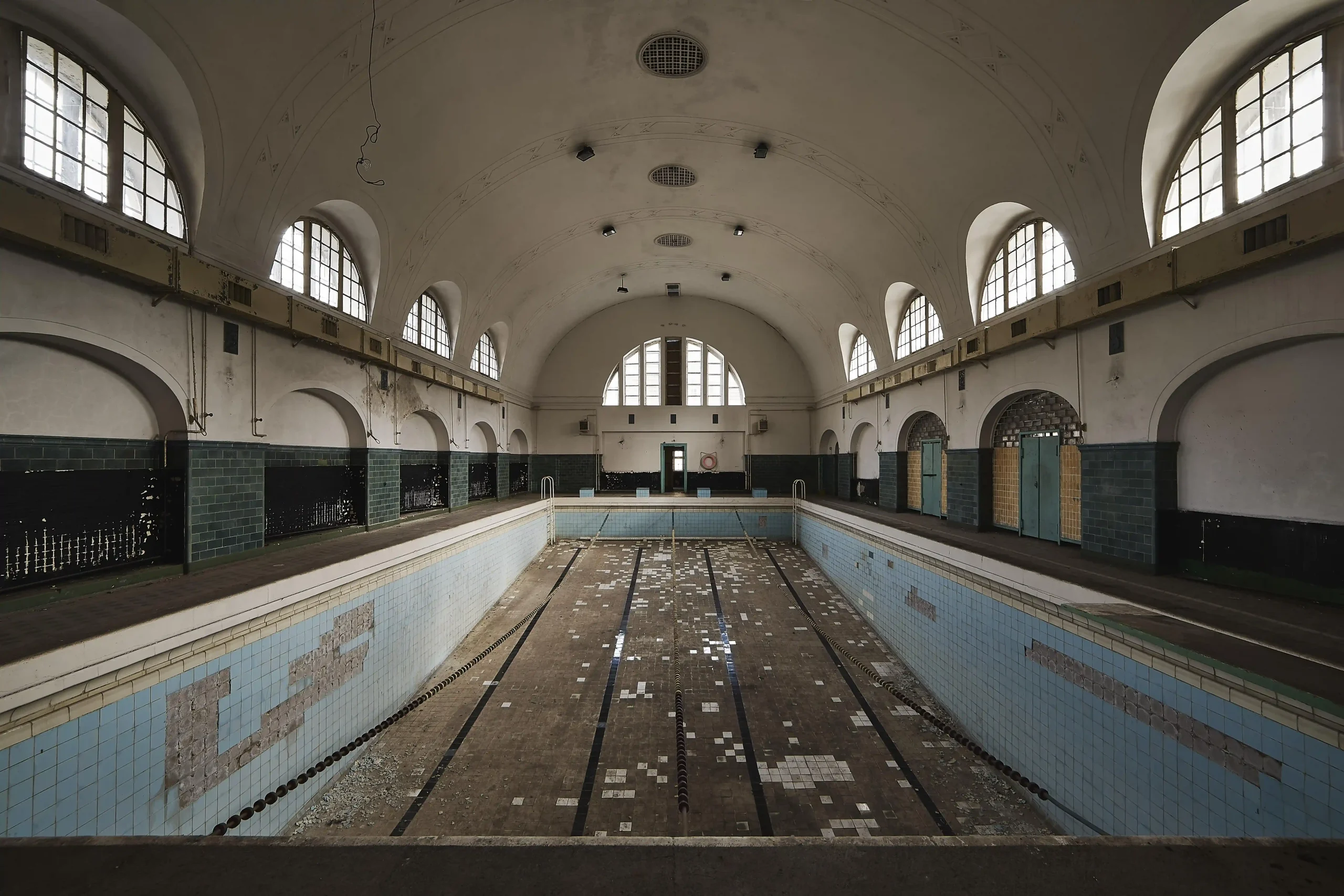
Faded tiles dull water shine fast, but Swimming Pool Resurfacing inspired by the pool tiling trend, brings colour, comfort and life back, turning an ageing pool into a fresh backyard feature worth admiring daily
A swimming pool rarely stays perfect forever. Sunlight fades color, and chemicals wear down surfaces over the years of use. However, when you decide to follow a modern pool tiling trend during resurfacing, suddenly everything changes. The water looks brighter, the texture feels smoother, and your backyard space feels completely transformed.
The entire backyard seems upgraded overnight. That quiet transformation explains why swimming pool resurfacing has become one of the fastest-growing home improvement trends across New South Wales.
Homeowners no longer see pools as simple features. They see them as lifestyle spaces, design statements, and value boosters. That shift in mindset is driving demand for pool resurfacing specialists in New South Wales who can combine durability, design, and long-term performance in a single upgrade.
Why Swimming Pool Resurfacing Is Trending Across NSW
In past decades, resurfacing happened only when a pool became unusable. Today, pool resurfacing in New South Wales is often a proactive decision where property owners seek out better textures, richer colors, and finishes that last longer with less maintenance. Modern materials allow exactly that, turning a functional repair into a high-end aesthetic upgrade.
Plenty of homeowners now book swimming pools resurfacing well before any real damage shows up. Getting it done early stops cracks in their tracks, shields structural layers, and keeps small glitches from turning into pricey fixes. In areas where summers are brutal, and pools never get a break, being proactive like this saves a lot of time and cash.
Another reason for the rising popularity is aesthetics, as a professional swimming pool renovation NSW makes older pools look like they were just installed. A resurfaced pool often refreshes the entire outdoor environment, making landscaping, lighting, and seating areas appear more cohesive and modern.
The Real Purpose Behind Pool Resurfacing
It’s about more than just looks; swimming pool resurfacing brings back the protective barrier that keeps concrete shells safe from water pressure, harsh chemicals, and the elements. Once that original finish thins out, the bones of the pool are at risk. Water finds its way into tiny cracks, and eventually, those small gaps start to stretch.
When you get an expert concrete pool resurfacing NSW crew in, they’re basically rebuilding that essential line of defense from scratch. This fresh layer seals every last inch, making the whole setup way more durable and keeping things ticking along without a hitch. It’s a smart way to protect the pool’s actual bones while making the water feel a whole lot better for anyone jumping in.
Smooth finishes reduce friction against skin, while textured finishes improve grip. Both options enhance usability. That is why residential pool upgrades in NSW frequently include resurfacing as the first step in a renovation project.
Signs a Pool Surface Needs Attention
Most pools give warning signs before severe damage develops; rough patches, fading color, or stains that resist cleaning often indicate that swimming pool resurfacing is becoming a necessity.
Increased chemical usage is another common clue, as once surfaces become porous, maintaining water balance becomes significantly harder, and minor cracks may begin to threaten the pool’s structure, signalling that it is time to call for professional pool repair services NSW.
Letting these signs slide often leads to much bigger structural headaches. Stepping in early with swimming pool resurfacing cuts out expensive repairs and adds years to the pool’s life. Often, timing it just right can actually tack on another decade or more of solid use.
Materials Redefining Modern Pool Surfaces
Material innovation is one of the biggest reasons resurfacing quality has improved dramatically, making residential pool upgrades NSW more durable than ever before. Modern coatings outperform traditional plaster in strength, longevity, and visual appeal, as new formulas resist UV damage, chemical corrosion, and staining.
Quartz-enhanced finishes have become especially popular in swimming pool renovation projects in NSW because they combine durability with a sleek appearance. Pebble surfaces are also trending due to their natural texture and long lifespan. Glass-infused coatings, meanwhile, create reflective effects that enhance water color and brightness.
Expert teams handling pool repair services in NSW usually base their advice on the specific environment, how often the pool gets used, and the overall look you’re going for.
If you’re on the coast, you’ll likely need those salt-resistant finishes, but for properties further inland, Swimming Pool Resurfacing focuses more on surfaces that can actually reflect the heat.
Colour Trends Changing Backyard Design
Color choices now play a significant role in resurfacing decisions. Traditional bright blue is no longer the only option. Modern palettes include soft greys, deep ocean tones, and natural stone shades. These colors interact with sunlight differently, changing how water looks throughout the day.
Opting for darker finishes can really dial up the drama, plus they tend to soak up the sun and naturally warm the water a bit. On the flip side, lighter tones reflect more light, which keeps everything feeling much cooler.
Most designers usually match the pool’s color with the surrounding tiles or decking just to pull the whole look together.
This design-driven approach explains why swimming pool resurfacing is now considered both a structural upgrade and an aesthetic investment.
Surface Finish Comparison
| Finish Type | Durability | Maintenance | Comfort | Visual Impact |
| Standard Plaster | Moderate | Moderate | Smooth | Classic |
| Quartz Blend | High | Low | Smooth | Modern |
| Pebble Finish | Very High | Low | Textured | Natural |
| Glass Bead | Very High | Very Low | Smooth | Premium |
| Polymer Coating | High | Low | Smooth | Contemporary |
This table shows how modern resurfacing options differ, helping homeowners choose finishes suited to both lifestyle and design goals.
How Resurfacing Improves Maintenance Efficiency
Maintenance often becomes easier after resurfacing. Smooth coatings reduce algae build-up and prevent debris from sticking. Water circulates more efficiently because surfaces offer less resistance. That means filtration systems work better and require less effort to maintain water clarity.
For any family hunting for affordable pool resurfacing near me, those real-world perks are usually what actually seal the deal. Between spending way less time on maintenance and cutting back on chemicals, the initial cost basically pays for itself over time. In the end, a top-notch finish just saves you money and makes life a whole lot easier.
Safety Benefits of Updated Pool Surfaces
Safety is another significant advantage, as worn surfaces may develop sharp edges or slippery areas that swimming pool resurfacing effectively eliminates.
Updated coatings remove these risks by replacing degraded materials with modern finishes that can include slip-resistant textures on steps or shallow zones, improving stability without affecting the overall appearance of your pool.
Having a clearer surface actually makes a huge difference for underwater visibility, helping anyone in the water spot edges, drains, and steps without any trouble. While following pool safety regulations in NSW is the priority for any homeowner, having that extra visibility paired with a much smoother finish is a real game-changer for families with kids.
Why Professional Expertise Matters
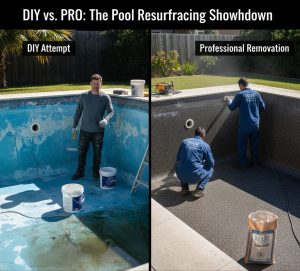
Resurfacing requires technical precision, as surfaces must be prepared correctly before swimming pool resurfacing materials are applied. Old coatings need removal, cracks require sealing, and moisture levels must be controlled, because even minor errors during preparation can affect final results.
Professional pool resurfacing specialists in New South Wales follow structured processes to ensure long-lasting adhesion. Skilled technicians evaluate structural condition before starting work, ensuring the new surface bonds properly and performs reliably for years.
Choosing experienced providers is essential because resurfacing quality depends heavily on preparation and the accuracy of material application.
Regional Influences on Pool Renovation Choices
New South Wales has diverse climates. Coastal regions experience salt exposure and intense sunlight. Inland areas may face temperature swings and mineral-rich water. These environmental differences affect the selection of resurfacing materials.
Having local expertise means pros can suggest coatings that actually handle the specific environment. That regional insight ensures swimming pool resurfacing results hold up longer and stand up better against the local climate.
Design preferences also vary regionally. Coastal homes often favour lighter colours, while urban properties lean toward darker contemporary finishes. Matching resurfacing choices to location improves both durability and aesthetic harmony.
How to Choose the Right Swimming Pool Resurfacing Contractor in NSW
- Check licensing and insurance compliance in New South Wales
- Review the before and after project portfolios
- Ask about surface preparation methods and crack repairs
- Compare material options and warranty coverage
- Confirm project timeline and curing period
- Request a detailed written quote with no hidden costs
- Ensure experience with local climate conditions
- Read verified customer reviews and testimonials
- Ask about post-resurfacing maintenance guidance
- Choose specialists who offer long-term durability guarantees
Long-Term Value of Swimming Pool Resurfacing
Resurfacing is often viewed as a cost, but in reality, swimming pool resurfacing is an investment that improves property appeal, increases usability, and signals proper maintenance to potential buyers.
Real estate professionals frequently note that updated outdoor features can influence purchasing decisions, often providing a significant return on investment by boosting the overall market value of the home.
You also start seeing real savings on upkeep since those smoother surfaces don’t need nearly as many chemicals or constant scrubbing; that’s exactly why swimming pool resurfacing is such a common-sense upgrade for any backyard. Eventually, those savings basically cancel out what you spent upfront, giving you a solid financial win on top of a much tougher, more durable pool.
Environmental Advantages of Modern Resurfacing
Modern materials are designed with sustainability in mind. Many coatings reduce chemical absorption, thereby reducing the amount of chemicals that enter surrounding soil or water systems. Efficient surfaces also improve circulation, allowing pumps and filters to operate more efficiently.
Energy use may decrease as well, as swimming pool resurfacing with reflective finishes improves natural light distribution and reduces the need for intense artificial lighting at night. These small efficiencies contribute to environmentally responsible pool ownership, potentially lowering utility costs while enhancing the nighttime ambiance of your outdoor space.
Future Innovations in Pool Resurfacing
Technology continues to improve resurfacing methods. Faster-curing materials shorten project timelines. Advanced bonding agents strengthen adhesion. New protective additives enhance resistance to staining and fading.
As tech keeps moving forward, swimming pool resurfacing is only getting tougher and more efficient. These new methods mean homeowners get results that last much longer without having their backyard turned into a long-term construction zone.
Conclusion
A pool should feel inviting, safe, and visually impressive. Over time, surfaces wear down and lose that original appeal. Modern resurfacing restores both function and beauty while protecting structural integrity.
From advanced coatings to stylish color options, today’s solutions transform aging pools into standout features.
Going the professional route for your resurfacing doesn’t just make the pool tougher; it slashes your maintenance time and actually bumps up your home’s value.
If you’re prepared to revitalize your backyard, requesting a prompt quote or scheduling a professional consultation is the most straightforward approach to discover how your pool can transform into a captivating, enduring focal point.
Reach out to our experts today, and let’s get your backyard transformation started!
Frequently Asked Questions
1. How long does a swimming pool resurfacing last?
Today’s swimming pool resurfacing can easily last 10 to 20 years, though it depends on the materials, upkeep, and the weather. Newer coatings are built to fight off chemicals and sun damage, which really helps stretch that lifespan out.
2. What is the best time to resurface a pool?
Resurfacing is best done when early signs appear, such as rough texture or fading colour. Acting early prevents structural damage and reduces repair costs.
3. Is resurfacing cheaper than replacing a pool?
Yes. Resurfacing restores strength and appearance at a much lower cost than full replacement while extending the pool’s life.
4. Which finish lasts the longest?
Pebble and quartz finishes are among the longest-lasting because they resist scratches, stains, and chemical damage.
5. Does resurfacing improve water clarity?
Smooth, modern coatings reduce algae build-up and improve circulation, helping maintain clearer water.
6. Can resurfacing increase property value?
A resurfaced pool improves visual appeal and signals good maintenance, which can positively influence property value.